
Bokashi food waste treatment gives businesses a practical way to act on food waste before transport becomes the default solution.
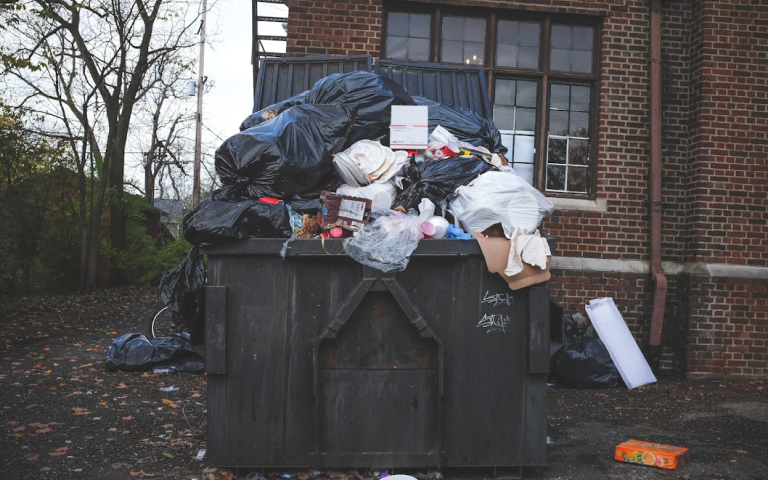
Food waste can become costly long before it reaches landfill. The pressure often starts in the waste holding area, where organic material needs to be stored, managed and collected.
For many businesses, the routine is familiar. Food waste accumulates on site, a contractor collects it and a vehicle moves it elsewhere.
On paper, that may look like waste management. In practice, the business may simply be moving a problem before dealing with it at source.
That is where the conversation needs to change.
Food waste is not the villain. Transporting untreated food waste can add unnecessary cost and operational pressure to a system already dealing with landfill constraints and growing expectations around responsible waste management.
Bokashi food waste treatment offers businesses another approach. It provides a practical at-source treatment method that helps stabilise food waste closer to where it is generated, before it becomes primarily a transport or disposal issue.
For businesses managing regular organic waste, the question is no longer only:
Where does our food waste go?
A more useful question is:
Why are we transporting it untreated before we have considered what can happen at source?
Transport is often treated as a fixed part of food-waste management.
It does not always have to be.
Every load of untreated food waste leaving a site carries more than a disposal cost. Businesses also need to consider weight, moisture, odour management, staff time, collection frequency and the distance the material must travel.
Importantly, that cost chain begins before the collection vehicle arrives.
Staff need to store the food waste. They need to manage bins and keep waste-holding areas clean. Someone must schedule collections and move organic material through the site while it continues to break down.
Then comes transport.
Untreated food waste can be heavy, wet and difficult to manage cleanly at scale. Moving it off site may remove it from view, but removal alone does not necessarily solve the underlying management problem.
This raises an important business question:
How much are we spending to transport food waste that could have been treated earlier?
The issue is not only where the waste eventually goes. Businesses should also consider how much time, handling and transport it takes to get there.
Bokashi changes the point at which intervention begins. Instead of waiting until food waste becomes a collection problem, businesses can start treating suitable organic waste where it is generated.
The hidden cost is therefore not simply the waste itself.
It is the cost of waiting too long to manage it.
Bokashi food waste treatment changes the timing of food-waste management.
Rather than waiting for food waste to require removal, Bokashi allows businesses to intervene earlier in the process.
For smaller commercial kitchens and canteens, its value lies partly in simplicity. Teams can begin treating suitable food waste at source without introducing a power-dependent treatment system.
This matters because untreated food waste does not remain unchanged while it waits for collection. It continues to break down and may become more difficult to store and manage.
Bokashi is not a disappearance process. It is a biological fermentation treatment that helps stabilise food waste before the material moves into its next appropriate pathway.
The advantage lies in acting earlier.
Treat it before it travels.
Food waste is often treated as the end of a process.
It does not have to be.
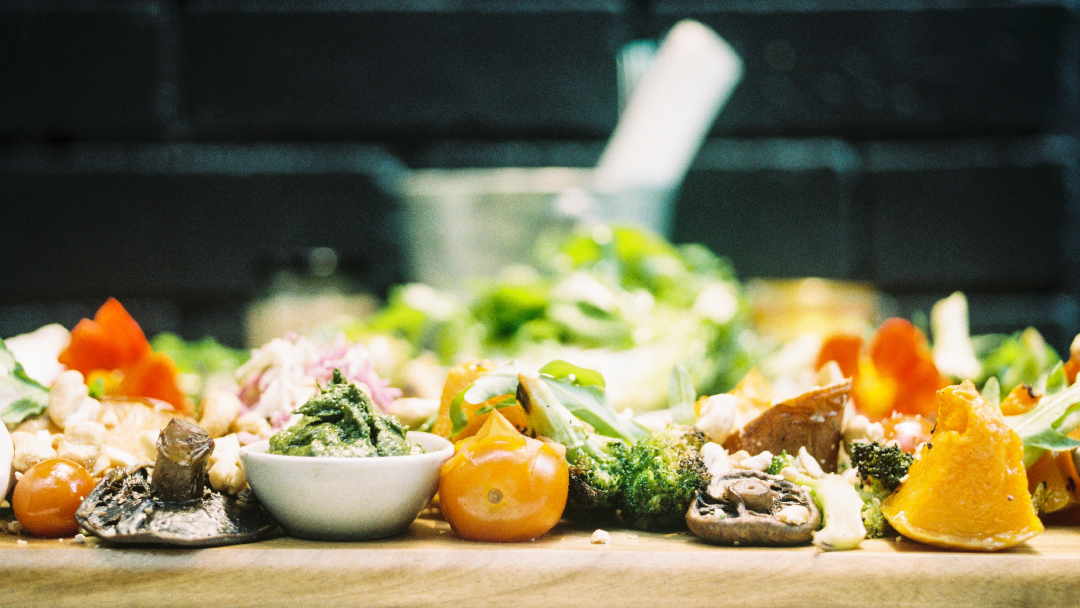
Even after food preparation, service or production, suitable organic material may still have a role within an appropriate downstream pathway.
The important question is whether the business protects that opportunity or loses it through poor separation and management.
A more circular approach asks:
What can happen to this material before disposal becomes the only option?
This is where Bokashi food waste treatment strengthens the front end of the waste-management process.
By separating and treating suitable food waste at source, businesses can prepare organic material for an appropriate next stage.
That next stage will depend on the material, the treatment process and the site. Appropriate pathways may include further composting, soil improvement or other responsible organic-waste processing.
Earth Probiotic does not manufacture the final downstream product through Bokashi treatment alone. Instead, the Bokashi stage helps stabilise suitable food waste and protect its potential for further processing.
The principle is simple:
Food waste sent directly into mixed disposal has fewer options.
Food waste that is correctly separated and treated keeps more of those options open.
Food-waste management is increasingly an operational issue rather than simply a sustainability discussion.
Businesses producing regular organic waste need to consider cost control, collection dependence, landfill diversion and how effectively they understand and manage what leaves their sites.
The traditional model was straightforward: collect it, remove it and dispose of it.
However, that approach begins late in the waste chain.
A stronger system asks earlier questions:
This broader approach aligns with the waste hierarchy reflected in South Africa’s National Waste Management Strategy, which prioritises avoidance, reduction, reuse, recycling and recovery before disposal.
Organic-waste diversion is also an important focus in the Western Cape. Businesses can find further information through the Western Cape Government’s Waste Management resources.
Bokashi can form part of this earlier intervention because it gives suitable businesses a practical treatment step before removal.
That makes food-waste management more proactive and less dependent on collection as the first response.
Untreated food waste is more than something that needs to leave the premises.
It can create practical pressure around storage, odour management, hygiene, collection planning and reliance on transport.
For businesses trying to measure and report on waste, untreated mixed food waste can also make it harder to understand what the operation is actually generating.
The problem is therefore not simply that food waste exists.
The problem is waiting until collection is the only management action left.
At-source treatment gives businesses an opportunity to intervene earlier. Bokashi can help suitable sites manage food waste more systematically before the material enters its next stage.
Better food-waste planning starts before the truck arrives.
Food-waste solutions should match the operation rather than forcing every site into the same system.
For smaller commercial kitchens, canteens and other suitable food-generating operations, Bokashi can provide a practical starting point.
Staff place separated food waste into sealed, airtight, food-grade drums and treat it with Earth Bokashi.
The system requires no electricity and can suit businesses that need a relatively straightforward at-source food-waste treatment method.
However, not every site produces the same volumes or operates in the same way.
That is why Earth Probiotic’s Food Waste Solutions include different treatment options for different commercial environments.
Commercial Bokashi can suit smaller commercial kitchens and canteens producing regular food waste.
The emphasis is on separating suitable organic waste, treating it at source and managing the onward pathway responsibly.
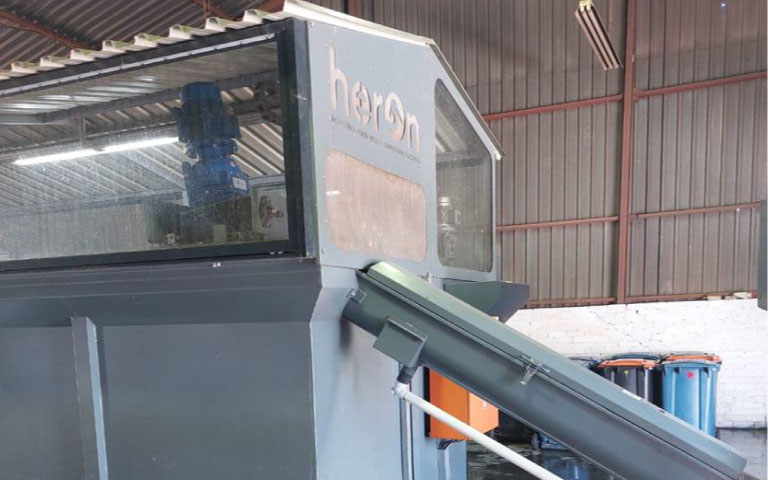
For sites that require onsite treatment at a different scale, the Earth Cube provides an enclosed treatment option.
Earth Probiotic identifies settings such as lodges, boarding houses and campuses with distributed kitchens as suitable applications. The system can process up to approximately 18 kilograms of food waste per day.
Higher-volume operations may require a larger automated system.
The Earth Cycler provides an in-vessel food-waste treatment option for sites producing larger volumes of organic waste.
The correct choice depends on the site’s actual waste profile, including volumes, kitchen locations, operating hours, available infrastructure and the planned pathway for the treated material.
The point is not to force one solution into every business.
Start with the waste. Understand the site. Match the treatment system to the need.
Food-waste management is changing.
Businesses that manage it well will not only ask where their waste goes. They will also ask what can happen before it leaves the site.
That is where Bokashi food waste treatment becomes more than a collection alternative.
It becomes part of an earlier management decision.
Separate the food waste.
Understand how much the site generates.
Treat suitable material at source.
Plan what happens next.
Then consider what genuinely needs to be transported.
For operations managing regular organic waste, that creates a much more useful question than simply asking who will collect it.
Reduce before you transport. Treat at source. Protect the next pathway.
Explore Earth Probiotic’s Food Waste Solutions to understand which at-source treatment approach may suit your operation.
Bokashi food waste treatment is an at-source fermentation method used to treat suitable organic food waste. Businesses separate the food waste, place it into a sealed system and apply Bokashi to help stabilise the material before its next appropriate processing stage.
Treating suitable food waste at source can reduce reliance on transporting untreated organic material. It also gives businesses greater control over separation, storage, handling and the onward pathway before collection becomes the default response.
Bokashi can suit smaller commercial kitchens, canteens and other operations producing regular volumes of suitable food waste. Sites producing larger volumes may require systems such as the Earth Cube or Earth Cycler instead.
No. Bokashi does not make food waste disappear and it does not create finished compost inside the treatment container.
Instead, Bokashi ferments and stabilises suitable food waste so that the material can move into an appropriate next stage, such as further composting or another suitable organic-waste process.
No. Bokashi is a treatment stage within a wider food-waste management pathway.
Businesses still need to plan what happens to the treated material afterwards. A complete system considers separation, treatment, measurement, transport requirements and the appropriate downstream destination.